
Janus Henderson $7.4 Billion Buyout: What the Trane-General Catalyst Deal Really Means

When a century-old asset manager is taken private in a multi-million dollar deal, it’s not just about price. It’s about time, a shift in power, and where the industry will go next.
In late December 2025, the financial world woke up to a headline that seemed both surprising and inevitable: Janus Henderson, one of the most recognizable names in active asset management, agreed to be acquired for $7.4 billion by a consortium led by Trian Fund Management and General Catalyst. Activist investor Nelson Peltz was behind the deal, which is synonymous with boardroom pressure, strategic shifts, and long-term bets on legacy businesses.
The transaction, widely covered by outlets such as CNBC, The Wall Street Journal and the Financial Times, is not just another private-equity style buyout. It is a case study of how traditional asset managers are grappling with a rapidly changing investment landscape, and how activist capital is evolving in response.
This article takes a deep look at the Janus Henderson deal: how the firm got here, why Trian and General Catalyst are coming forward now, what “going private” really means for employees and clients, and what this transaction signals for the future of wealth management. Along the way, we’ll cut through the vocabulary, connect the dots, and ask uncomfortable questions that get lost in press releases.
A quick snapshot of the deal
Before diving into the minutiae, let’s dive into the basics.
- Deal Value: $7.4 Billion, All Cash
- Buyers: Trian Fund Management (led by Nelson Peltz) and General Catalyst
- Structure: Take-Private Transaction
- Offer Price: Approximately $49 per share, which represents a meaningful premium to where Janus Henderson stock was trading before the takeover talks were made public
- Expected Completion: Mid-2026, pending shareholder and regulatory approvals
On paper, it’s straightforward. In reality, it’s anything but.
Janus Henderson: A Legacy Generation at a Crossroads
To understand why Janus Henderson became a takeover target, you need to understand what kind of firm it is – and what kind of pressure it has been under.
From two histories to one global brand
Janus Henderson was born in 2017, the result of a merger between Janus Capital Group in the United States and Henderson Group in the UK. The idea was simple and sensible: combine Janus’ U.S. distribution power with Henderson’s international reach and investment expertise.
For a while, that logic worked. The firm has established a global footprint, managing hundreds of billions of dollars in assets and positioning itself as a serious player in active management.
But the industry around him was changing faster than expected.
Why the timing of the Janus Henderson deal matters
The $7.4 billion takeover of Janus Henderson didn’t happen by accident, and it certainly didn’t happen too soon. In many ways, the timing of this deal is as telling as the price.
Over the past few years, the asset management industry has been under increasing pressure. Passive investing has continued to pull assets away from traditional active managers, fee compression has squeezed margins, and public markets are becoming much less forgiving of inconsistent performance. For companies like Janus Henderson – large, global and respected, but not influential – this environment made it increasingly challenging to remain public.
Nelson Peltz and Trian Fund Management saw opportunity there. With Janus Henderson’s share price still below historical highs and investor sentiment cautious, conditions were ideal for a take-private move. Public shareholders receive a premium, while buyers gain full strategic control without the constant pressure of quarterly earnings.
General Catalyst’s involvement further emphasizes why now was the right moment. Asset management is no longer just about portfolio managers and market calls – it’s about technology, data, automation and client experience. It’s much easier to make long-term investments outside the spotlight of public markets.
In short, this wasn’t a rescue deal. It was a calculated bet that the next phase of Janus Henderson’s development would be better built privately.
The Long Squeeze on Active Managers
Over the past decade, wealth management has become fiercely competitive:
- Passive investing has exploded. Low-cost index funds and ETFs from giants like BlackRock and Vanguard absorbed the flow.
- Fee pressures intensified. Customers demanded more performance at lower cost.
- Scale became everything. Larger companies can spread costs, invest in technology, and absorb volatility more easily.
Janus Henderson, while respected, sat in an uncomfortable middle ground: big enough to feel the pain of public-market scrutiny, but not big enough to dominate the flow like the mega-managers.
A period of wealth outflows, uneven investment performance, and share prices that lagged peers left the firm vulnerable – not broken, but exposed.
Nelson Peltz: Activism with Patience
Nelson Peltz doesn’t rush. That’s one of the most misunderstood things about them.
Unlike activists who storm, demand quick changes and walk out within a year, Peltz’s approach – through Tryon – is slow, deliberate and deeply involved. It takes a significant stake, seeks board representation, and pushes for operational and strategic improvements over time.
Trion’s Growing Influence on Janus Henderson
Trion had been a shareholder in Janus Henderson for years before the buyout announcement. By 2025, he owned more than 20% of the company and had direct board representation.
This wasn’t a hostile takeover. It was a long courtship.
From Tryon’s perspective, Janus Henderson had:
- Strong brand recognition
- Deep investment talent
- Loyal institutional clients
From Tryon’s perspective, it lacked the freedom to take bold, long-term actions without being punished by short-term market reactions.
That’s where the idea of keeping the firm private made sense.
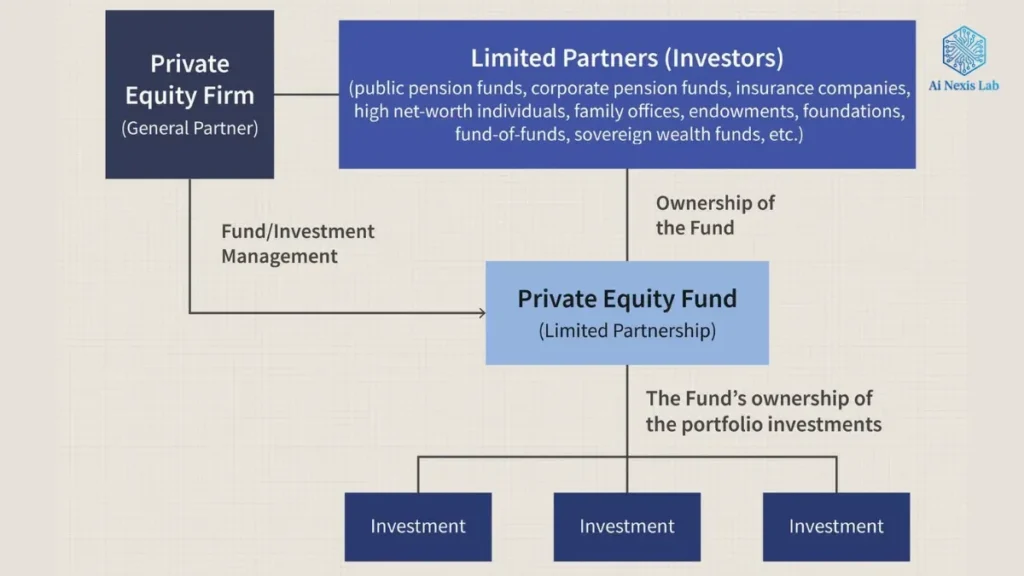
Why General Catalyst changes the story
If Trion brings proactivity and working discipline, General Catalyst brings something different – and perhaps more futuristic.
General Catalyst is known as a venture and growth investor in technology-based businesses. His involvement in traditional asset managers surprised for one reason: This isn’t just about cutting costs or changing portfolios.
Not just efficiency, but also a bet on change
Asset management today is as much a technology business as it is a financial one. Data infrastructure, AI-powered analytics, digital client experiences, and automation are no longer optional – they are survival tools.
By partnering with General Catalyst, Tryon signaled that the Janus Henderson buyout wasn’t just about financial engineering. It’s about re-platforming a legacy organization for the next decade.
modernize now, or fade away later.
Why go private? The real logic behind migration
“Going private” may sound ominous, especially for public market investors and employees. But in this context, it’s less about secrecy and more about flexibility.
Escaping the Tyranny of Quarterly Earnings
Public companies live and die by quarterly results. Even when leadership teams talk about long-term strategy, they are evaluated every three months.
For an asset manager trying to:
- Reinvest in technology
- Restructure product lines
- Rethink distribution strategies
The short-term pressure can be stifling.
Private ownership provides breathing room.
An opportunity to make unpleasant—but necessary—decisions
Some strategic changes are detrimental in the short term:
- Abandoning underperforming strategies
- Consolidating teams
- Investing heavily in systems that don’t yield immediate results
In public markets, those moves often trigger sell-offs. In private hands, they’re easier to justify.
For Janus Henderson, this could mean a painful but ultimately healthy reset.
What It Means for Clients and Investors
For customers – especially institutional customers – the biggest concern is simple: Will my money be safe and well managed?
In the beginning, business is generally
In the short term, customers are unlikely to see dramatic changes. Portfolios will not be liquidated overnight. Investment teams will not disappear.
In fact, many clients welcome the stability and long-term focus over the distractions of public-market volatility.
Medium-term question: Performance and innovation
Over time, customers will evaluate deals based on outcomes:
Does performance improve?
Does the firm innovate more effectively?
Does customer service improve or deteriorate?
Private ownership gives Janus Henderson the opportunity to answer “yes” to all three – but it’s not guaranteed.
The Broader Industry Signal: Consolidation Isn’t Over
This deal didn’t happen in a vacuum. It’s part of a broader trend to reshape wealth management.
More mid-sized companies are vulnerable
Big companies keep getting bigger. Small boutiques survive through specialization. Mid-sized managers, especially active managers, are squeezed from both ends.
Janus Henderson’s purchase could encourage:
- Other actors to surround similar companies
- For more private capital to be seen in asset management
- For the board to consider pre-emptive strategic options
In that sense, the deal could be a template, not an outlier.
Risks and the unknown: not everything is rosy
For all the strategic logic, the deal carries real risks.
Regulatory Hurdles
With operations spread across multiple jurisdictions, Janus Henderson will face regulatory scrutiny in both the US and the UK. Delays or conditions could complicate the timeline.
Execution Risk
Keeping a company private is one thing. Transforming it is another matter.
Technology upgrades, cultural changes, and strategic refocusing are notoriously difficult – even with smart owners.
Market conditions can change quickly.
Wealth management is cyclical. A prolonged market downturn can also test the patience and capital reserves of committed private owners.
Why this deal is more important than it seems
On the surface, the acquisition of Janus Henderson is a $7.4 billion transaction involving a well-known activist investor. Deep down, it is a reflection of how capital, control, and confidence are changing in modern finance.
Public markets predict rewards. The future of wealth management demands adaptability.
By keeping Janus Henderson private, Tryon and General Catalyst are betting that freedom from the public spotlight is more valuable than liquidity – and change is easier when you’re not performing for Wall Street every quarter.
It will be years before we know whether that bet pays off. But one thing is already clear: the era of “always on business” for traditional asset managers is over.
Frequently Asked Questions (FAQ)
Q1: What does it really mean that Janus Henderson is going “private”?
This means that the company will no longer be publicly traded on the stock exchange. Its shares will remain with a small group of private investors, rather than the general public.
Q2: Why did Trion and General Catalyst want to buy Janus Henderson?
They see long-term value that they believe can be unlocked more effectively outside of public markets through strategic changes, technology investments, and operational improvements.
Q3: Who is Nelson Peltz and why is he important here?
Nelson Peltz is a well-known activist investor and founder of Trion Fund Management. Their involvement signals a proactive, practical approach to reshaping the company rather than passive financial investment.
Q4: Will Janus Henderson customers be affected?
In the short term, consumers will see very little change. In the long term, the goal is improved performance, better technology, and stronger customer service – but results will depend on implementation.
Q5: Does this mean layoffs are coming?
Not necessarily, but restructuring is common in private deals. Any changes will be targeted, not haphazard.
Q6: Is $7.4 billion a good price?
The offer represents a premium to Janus Henderson’s recent trading price, which shareholders generally consider fair. Whether it proves to be cheap or expensive depends on how successful the change is.
Q7: Can more asset managers be taken private?
Yes. The deal could encourage similar measures, especially among mid-sized companies struggling to compete in public markets.
Q8: When will this deal be officially completed?
Subject to shareholder approval and regulatory approval, the transaction is expected to close in mid-2026.
Final thoughts
The purchase by Janus Henderson isn’t just a headline – it’s a mirror of an industry in transition. It highlights the limitations of public markets, the evolving role of activist investors, and the growing importance of long-term thinking in financial services.
For Janus Henderson, this moment represents both an end and a beginning. The next chapter will be written not in quarterly earnings calls, but in strategic decisions made behind closed doors – decisions that could ultimately redefine what the firm is in a changing investment world.
Whether this bold move becomes a success story or a cautionary tale will depend on what happens after the deal closes. But one thing is certain: wealth management will never look quite the same again.