
The Miracle of Survival: Why Stranger Things Season 5, Volume 2 Still Works — Against All Odds
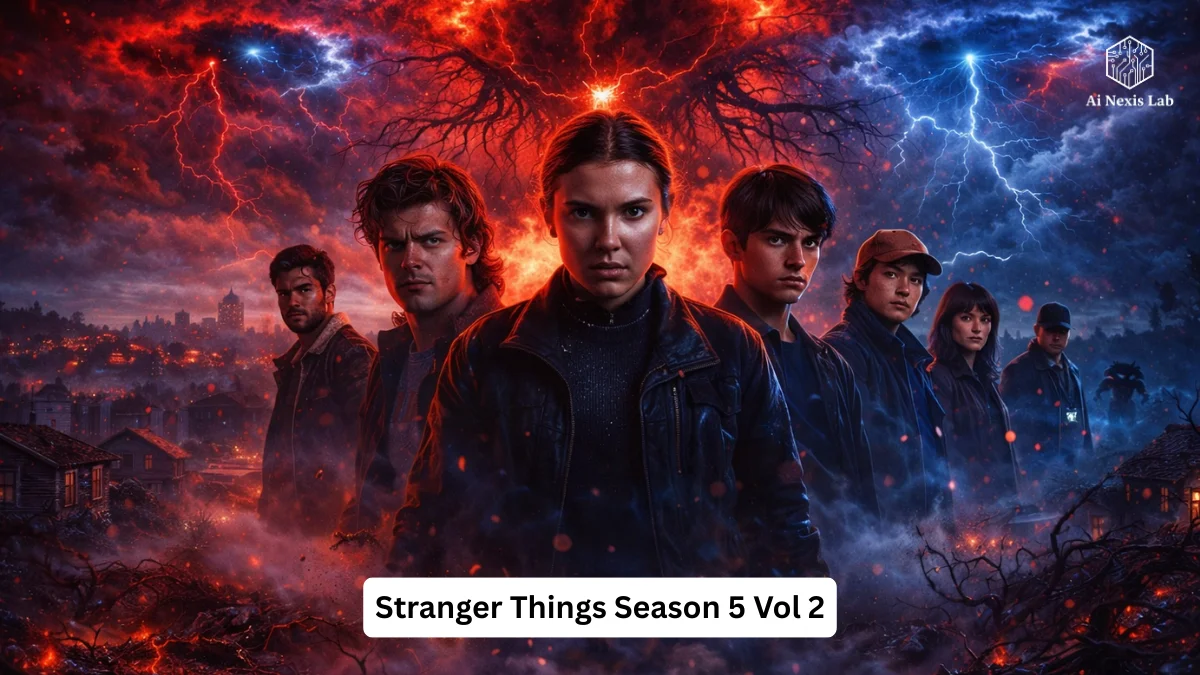
Explore Stranger Things Season 5 Vol 2 and discover 7 stunning survival secrets, epic twists, and deeper Upside Down lore that set up a thrilling finale.
There’s a special kind of tension that comes with the end of a beloved series – and it has nothing to do with monsters, portals or ominous synth music.
It’s the fear that the story we’ve invested in for years will fall apart just when it matters most.
We’ve seen it before.
Huge, culture-shaping shows that turned into confusion and exhaustion. Mythologies that have grown faster than their writers can handle. Final films that have forced fans to argue rather than celebrate.
So as Stranger Things moves into its final season, that fear lingers close behind.
And yet – somehow – the show just hasn’t stayed afloat.
He’s got a strange, stubborn rhythm. It’s not perfect, but it’s alive, it’s pulsing, it’s throbbing with the same strange magic that drew us back to Season 1.
Season 5, Volume 2 is not just another chapter. It feels like a test. A balancing act. A reminder that storytelling, especially on this scale, is equal parts precision and miracle.
And unbelievable?
The miracle is still happening.
A Season That Walked Straight Into Fire
When Volume 2 hit Netflix, anticipation was high.
We waited weeks after Volume 1 – there was plenty of time for fans, critics, and casual viewers to speculate, pick up on details, and build expectations. In some ways, that break was dangerous. Streaming shows typically rely on pacing. Stranger Things intentionally forces pauses — inviting scrutiny.
But here’s the twist:
Instead of revealing, the show leaned into its identity.
Long scenes.
Big emotional swings.
The sprawling narrative shows that science fiction feels equal parts lecture and emotional confession.
Was every bit flawless? No.
Was it still attractive?
Absolutely — because Stranger Things doesn’t just run on logic. It runs on connection.
Critics expected a mess — they found something unfamiliar
Some headlines sounded worried. Others looked skeptical. Some practically breathed a sigh of relief.
One comment became clear:
“The fact that this isn’t unbearable is a miracle.”
This may sound harsh – but in today’s entertainment landscape, it’s almost like a compliment.
We live in a world filled with sequels, prequels, expanded universes, and content that feels more engineered than created. Burnout is real. Audiences recognize the fatigue immediately.
Stranger Things, by all rights, should feel exhausting.
The episodes are long.
The stakes are endlessly raised.
The tone has stretched in every direction — from comedy to tragedy to cosmic horror.
And yet…
Instead of breaking, it stretches – and somehow survives.
It feels like a band that should have broken up years ago, still finding ways to surprise us on stage.
It doesn’t happen by accident.
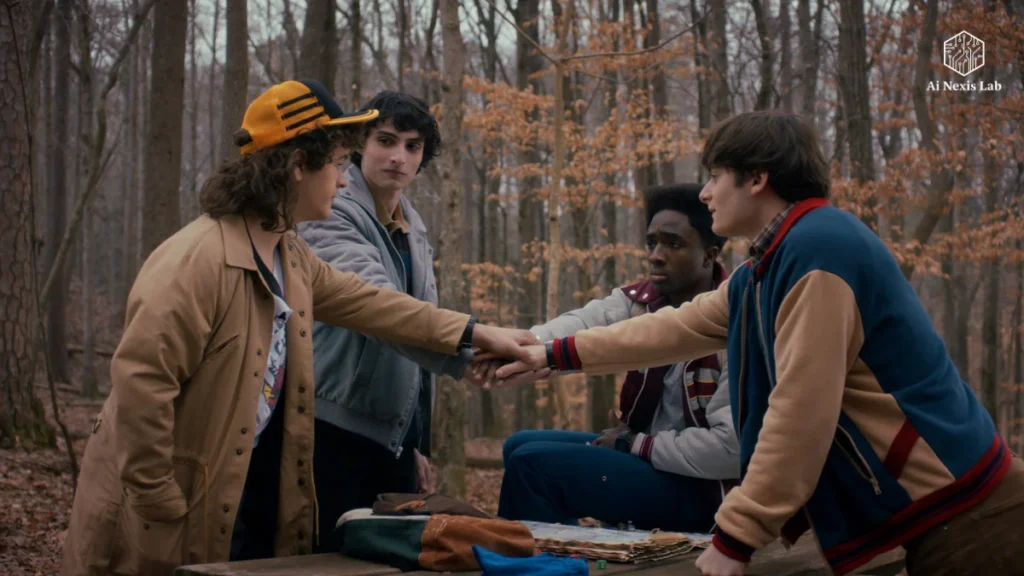
“The Elephant (or Adam’s Apple) in the Room: The Cast Growing Up”
Let’s be clear: kids aren’t kids anymore.
They are playing the role of high school kids. They look like they might be refinancing their mortgages.
And yes — the reviewers are right to point out the visual disconnect. That is noteworthy. Sometimes it’s unintentionally funny. Sometimes it pulls you out of the scene for a moment.
But here’s the unexpected reality:
The age gap almost works now.
Because Stranger Things isn’t really about teenagers anymore.
It’s about time.
We’ve grown up with these actors. We remember their awkward phases, their early interviews, those moments when they couldn’t quite hold the emotional weight yet – and now? They can.
Watching them grow up makes the subject of goodbyes even more difficult. It turns the show into a reflection on memory, friendship, and the strange pace of real life.
We’re not just watching fictional kids fight monsters.
We are seeing the characters – and the actors – moving towards the end of something huge.
And it’s impossible to fake that emotional level.
The Lore Finally Opens Up – And It’s Big
Stranger Things has spent years teasing its mythology.
The Upside Down. The Vecna. The Mind Flare.
Hints. Hints. Fluttering revelations.
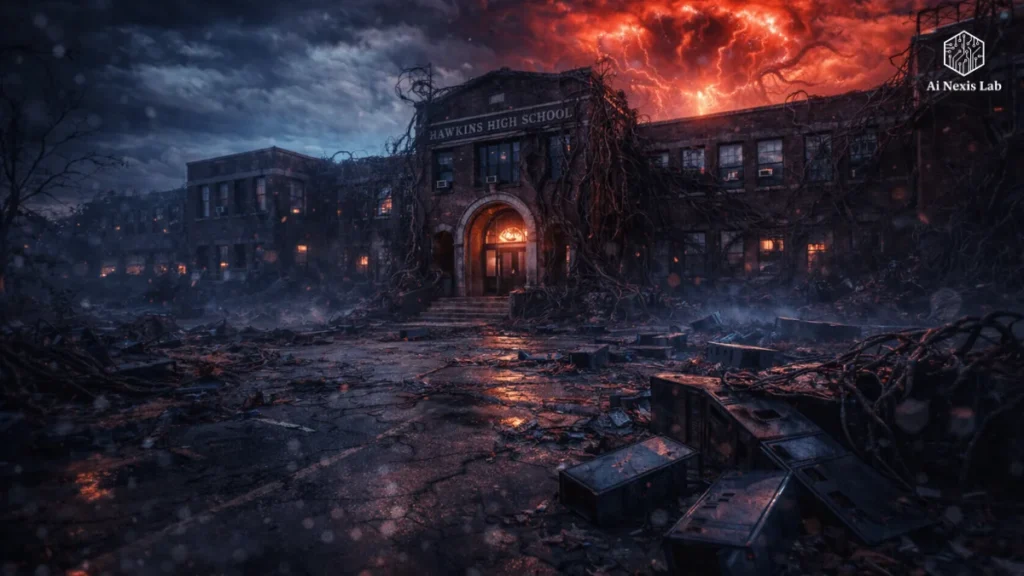
Volume 2 finally widens the lens – and drops the revelation that changes everything:
The Upside Down is not a destination.
It’s a highway.
A biological corridor.
A living, unstable bridge, hanging between our world and something even worse.
That “something” now has a name:
This isn’t just another terrifying realm. That is the origin of demons.
It’s where Vecna truly lives. He’s ancient, predatory, indifferent.
And suddenly, the stakes change.
The goal is no longer to close the doors.
It’s to destroy the bridge itself.
Which introduces a terrifying reality:
Someone might have to destroy it from within.
This is the kind of change that makes the final part truly suspenseful. Not “who dies to shock the audience” suspense – but the slow, heavy dread of meaningful sacrifice.
Eleven, Kali, and the Cost of Power
The reunion between Eleven and Kali is not any old fan service. It has purpose.
Kali understands something that Eleven has avoided:
Power attracts fear.
Fear attracts control.
And the institutions don’t forget the weapons — especially the ones she helped create.
Their plan isn’t just about survival.
It’s about redemption — even if that redemption means disappearing into the darkness.
The idea that heroes don’t always get freedom, safety, or a normal life – that’s bold storytelling. It puts Stranger Things closer to tragic mythology than teenage adventure.
And it sets the stage for a finale that doesn’t rely on cheap twists – but on inevitable consequences.
Will Byers Finally Enters the Spotlight
For years, Will has existed in two states:
- Missing
- Recovering after going missing
Volume 2 does something different – and overdue.
It gives Will agency.
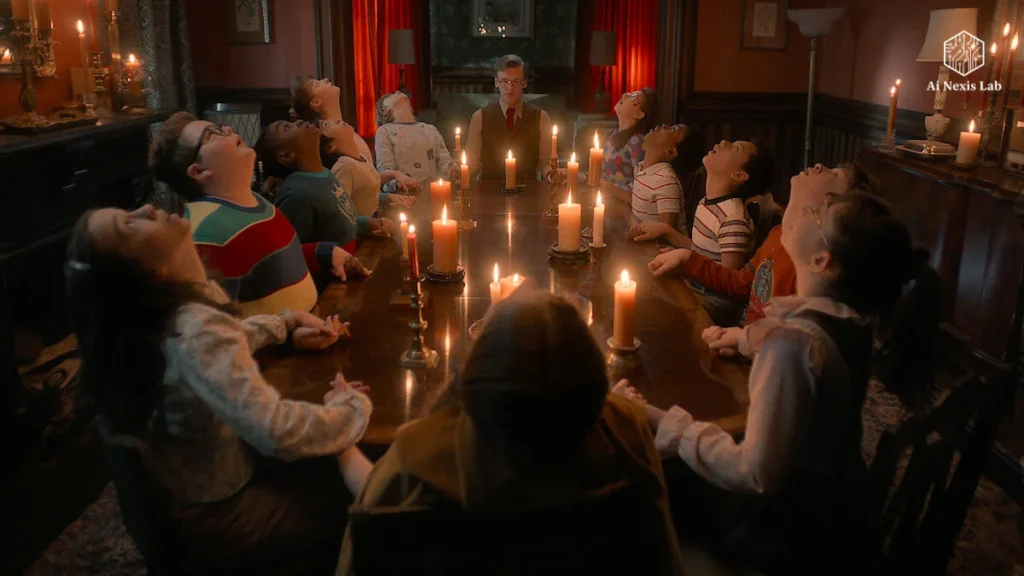
His trauma becomes more than a burden. It becomes insight. His long-standing relationship with Vecna transforms from a curse to a strategic advantage – and also a deep emotional wound.
Watching him connect with the Hive Mind isn’t just a spectacle. It’s bittersweet. It reminds us that existence often leaves wounds that never fully heal.
Will isn’t comic relief.
He’s not a side character.
He’s the emotional linchpin of the series.
And his quiet strength may be the most grounded part of the season.
Netflix’s Split Strategy: Smart or Sabotage?
Breaking up the seasons invited conversation.
It also revealed flaws that bingeing usually hides.
When you stream for eight hours straight, the plot armor is invisible. When you wait a month between cliffhangers, the inconsistencies resonate even louder. And yes — some survival moments stretch belief.
But the wait also creates tension. Speculation. The kind of cultural phenomenon streaming rarely produces anymore.
Oddly enough, the schedule echoes the old days of television – and that gave Stranger Things an element of communal anticipation it hasn’t seen in years.
Not perfect.
But interesting.
The Adults deserve better – especially Joyce
Joyce Byers has always been an emotional heartbeat – resilient, crazy, driven by reason.
So it stings to see her mostly relegated to anxiety and reaction.
She deserved more leadership.
More decisions.
More involvement in the main battleground.
Still, her role still anchors the story emotionally. Without Joyce, everything feels cold. Even though she’s strategically sidelined, she’s one of the few characters who reminds us why fighting is important in the first place.
Sometimes, love stories aren’t romantic.
Sometimes, they’re about a mother refusing to lose another child.
The Road to the Finale
The final episode is brewing like a storm. The checklist is daunting:
The huge runtime.
Multiple emotional arcs that need closure.
A villain whose goals aren’t just physical – but spiritual.
And beyond that, the writers have to answer a brutal question:
How do you end the story without betraying the journey?
If the final part is successful, it won’t be because every question is answered.
It’ll be because emotional truths come to the surface.
The heart of Stranger Things has never been portals, psychic powers, or 80s Easter eggs. It has always been about courage being chosen by regular people.
And Volume 2 – despite all its chaos – remembers it.
The Tone That Refuses to Die
If someone were to present Stranger Things today, it would seem impossible:
“Let’s put Spielberg’s childhood wonder, Stephen King’s fear, weird teen comedy, Cold War paranoia, cosmic horror, and slapstick moments – all in a five-hour episode.”
The executives would laugh.
And yet… this strange hybrid works because it never forgets to feel.
Funny.
Sad.
Horrifying.
Hopeful.
Some scenes play out like a holiday special. Others seem like nightmare fuel. And somehow, woven together, it becomes its own language.
That tone is the real miracle.
Not CGI. Not mythology. Not hype.
The show’s beating heart – the relationships, the vulnerability, the humor – refuses to collapse under size.
That’s rare. And that’s why people still care.
Final Thoughts: Miracles Aren’t Monsters – It’s Balance
Stranger Things should have been broken by now.
Too many stories.
Too many characters.
Too many expectations built up over too many years.
Instead, Volume 2 proves something that is almost comforting:
Stories can grow without losing their souls – if the people who tell them still care.
The finale can take flight.
It can stumble.
But for now, Stranger Things remains what it has always been:
A disturbing, heartbreaking adventure about friendship, fear, sacrifice, and the terrifying gap between childhood and adulthood.
We don’t know how the final chapter ends.
But somehow — impossibly — it still feels worth the journey.
Grab your D20.
Hold on to your tissues.
We are going back into the dark for the last time.
Frequently Asked Questions: Stranger Things Season 5, Volume 2 — Common Questions
Q1: If I think Season 4 is dragged out, is Volume 2 worth watching?
Yes – it’s slow in places, but the emotional payoff and storyline make it feel worthwhile. If you care about the characters, this drag is important.
Q2: Do you need to rewatch the previous season?
It helps, especially season 4. But volume 2 gives you enough subtle reminders that you don’t feel lost.
Q3: Does Will finally get meaningful development?
Absolutely. This is the most sophisticated and important will ever written.
Q4: Is the Upside Down now fully explained?
We don’t get every answer, but the biggest question – what really is – eventually falls into place.
Q5: Are there any major character deaths?
This season relies more on sacrifice and consequences than on deaths from trauma. The tension comes not just from who dies, but from what the characters might choose to give up.
Q6: Why does the pace seem slower than last season?
Because the story has shifted from mystery to mythology. The stakes are high, the arcs are deep – which means heavy dialogue and long emotional scenes.
Q7: Is Joyce underused on purpose?
It seems to be tied to the narrative focus and psychological arc on the children. However, many viewers and critics agree that she deserved more agency.
Q8: Does the split-season release help or hurt?
Both. It promotes hype but also exposes flaws. It also fuels fan discussion – something streaming rarely achieves anymore.
Q9: Is the show still scary?
Yes – but the fear seems to be more existential than the fear itself. It’s less “demon attack” and more “how much does it cost to survive?”
Q10: Will the finale wrap everything up?
It might not explain every mystery – but if it respects the character arc, it will feel complete where it matters most.


