
Explosive Q3 2025: U.S. Economic Growth Jumps 4.3%

US economic growth surged in the third quarter of 2025 – and almost no one saw it coming
For the past two years, talking about the U.S. economy has felt like walking through a fog. Every sign seemed to contradict the last. Inflation was cooling, but prices still seemed high. Jobs were plentiful, yet layoffs dominated the headlines. Interest rates remained high, and recession predictions became almost routine.
And then came the third quarter of 2025.
Quietly. Delayed. Almost ignored.
When the final numbers were released, they told a story that was very different from what many had been preparing for. The U.S. economy didn’t just grow in the third quarter of 2025 – it grew at a rapid pace, expanding at an annual rate of 4.3%.
That number is important. Not because it seems impressive in itself, but because of when it happened and how it happened. This wasn’t a sugar rush from the stimulus check or a bounce from the shutdown. It was growth driven by real activity: people working, earning, spending, and businesses investing for the future.
This article takes a step back from the headlines and noise. There is no stopping anyone from taking names. No media hype. Just a clear, down-to-earth look at what caused this surge, why it surprised so many, and what it really means for the coming months – for workers, families, businesses, and anyone trying to understand where the economy is headed next.
Why Q3 2025 Matters More Than It Looks
At first glance, a quarter of strong growth may seem like just another data point. Economies fluctuate. Numbers go up and down. But context is everything.
Over the past decade, the U.S. economy has averaged close to 2-2.5% annual growth. Anything above 3% is considered strong for a mature economy. Sustained growth above 4% is rare unless something unusual is happening.
In Q3 2025, nothing unusual was happening.
- No emergency stimulus
- No reopening boom
- No artificial demand boost
Instead, growth emerged despite high interest rates, cautious consumers, and years of warnings about recession. That combination is what sets this quarter apart.
It suggests that the economy didn’t just withstand the pressure – it adapted to it.
The quiet change that no one is talking about: adaptation, not acceleration
One of the most misunderstood aspects of the Q3 2025 surge is the notion that something suddenly “accelerated.” In reality, what we are seeing is not acceleration – it is adaptation that ultimately shows up in the numbers.
Over the past few years, households and businesses have been forced to adjust to a world that no longer behaves like the economy before 2020. Cheap money disappeared. Supply chains became less predictable. Labor expectations changed forever. For a while, those adjustments seemed painful and chaotic.
But by mid-2025, many of those changes stopped being reactive and began to become structural.
Households learned how to budget around higher prices rather than lower them. Businesses redesigned operations to work with higher financial costs rather than hoping rates would fall. Employers restructured roles around flexibility rather than reverting to old models.
Q3 growth reflects the moment when those adjustments stop dragging on activity – and start supporting it.
That’s an important distinction. Economies do not grow sustainably by running. They thrive by learning how to operate under new rules.


Delayed Data: Why the Surprise Felt Bigger
One reason this growth caught many people by surprise was not the number itself, but the timing. Third quarter data is usually absorbed and discussed before the end of the year. This time, the release was later than usual due to technical improvements and deeper data checks.
That delay created a vacuum. And in economic conversations, a vacuum rarely remains empty.
In the absence of fresh data, pessimism filled this void. Many people assumed that delay was a sign of weakness. Others believed that high interest rates had ultimately done real damage behind the scenes.
When the figures finally surfaced, the reaction wasn’t just surprise – it was disbelief.
The economy didn’t slow down while everyone was waiting. It was quietly gathering momentum.
The real driver: the American consumer did not slack off.
If there is one lesson that has been reinforced from the third quarter of 2025, it is this: never underestimate the American consumer.
For years, the main narrative has been that homes were running out of breathing space. Savings were falling. Credit balances were rising. Inflation fatigue was real. It has all been true.
But behavior tells a deeper story than emotion.
Why Spending Didn’t Break — Even Under Pressure
It’s tempting to assume that consumers continued to spend despite financial realities. The truth is more nuanced.
Spending patterns in 2025 reflect prioritization, not denial.
Households became more selective. They delayed purchases rather than canceled them. They traded brands rather than categories. They reduced some areas to protect others.
This behavior explains why spending remained elastic without becoming inflexible.
For example, many families reduced impulse purchases and subscription overload but continued to spend on travel, health, education, and home upgrades. These are not luxury expenses – they are quality of life decisions.
This is important because it changes how sustainable demand is. Selective spending is more stable than emotional or speculative spending. When a feeling changes, it doesn’t disappear overnight.
That’s one reason Q3 growth seemed “solid” rather than fragile.
Spending didn’t collapse – it shifted
Instead of pulling back across the board, consumers made selective choices:
- Spending less on discretionary “stuff”
- Spending more on experiences and services
- Prioritizing quality over quantity
- Delaying some purchases, but not abandoning them
This shift created a more stable base for growth than in previous spending cycles.
The experience economy remained strong
Travel, dining, entertainment and leisure spending remained surprisingly resilient. Despite the high prices, people continued to prioritize experiences.
This was not a reckless expenditure. It was intentional. After years of uncertainty, many homes chose to value time and memories over accumulation.
That mindset was more important than any single price index.
Big purchases didn’t disappear
Demand for electronics, home improvement, and durable goods rebounded. Not explosive, but steady enough to make a meaningful contribution to GDP.
This signals confidence. If people believe that income instability is imminent, they are not committed to long-term purchases.
Confidence: The Invisible Ingredient Behind the Numbers
Economic growth is not just math. It’s psychology.
People can complain loudly about prices and still feel secure enough to spend. What’s most important is that they believe their jobs are secure, their incomes are stable, and their futures aren’t falling apart.
The third quarter of 2025 showed that, beneath the surface anxiety, confidence remained intact.
That confidence didn’t come from optimism. It came from employment.
The Labor Market: Quietly Driving the Economy
Strong growth is not possible without support from paychecks.
Despite years of tight financial conditions, the labor market remained remarkably resilient in 2025.
Real wage growth made a difference
In many sectors, wage growth finally outpaced inflation. That change is more important than headline salary figures.
When people feel like they are truly moving forward – not just keeping up – spending behavior changes. Caution becomes easy. Planning becomes possible again.
Participation rose rather than declined
Another overlooked detail: More people entered or re-entered the workforce.
Flexible schedules, hybrid roles, and better starting salaries attracted workers who had previously stayed on the sidelines. This expanded the productive capacity of the economy rather than limiting it.
More workers meant more production – without triggering labor shortages that further pushed inflation.
Job security, not job hope, boosts confidence
Another subtle but important change in 2025 was how workers would connect to employment.
The years following the pandemic were defined by aggressive job searching. Workers would frequently switch roles to try to earn higher wages. This boosted wages but also created instability.
By the third quarter of 2025, that behavior cooled.
Instead of constant mobility, many workers chose stability with leverage – staying in roles while negotiating better terms, flexibility, or advancement. It created a different kind of confidence.
People didn’t expect to find a new job tomorrow. They believed they would be able to keep the job they had.
This belief dramatically changes the psychology of spending. When income seems predictable, families are more comfortable planning months ahead than living paycheck to paycheck.
This stability did not make headlines, but it made growth possible.
Business Investment: The Foundation Beneath the Surface
Consumer spending is catching up. Business investment is building the future.
In the third quarter of 2025, companies continued to commit capital at a pace that suggests long-term confidence, not short-term speculation.
Onshoring Turned into Work
For years, “onshoring” was more of a slogan than a reality. In 2025, it became concrete.
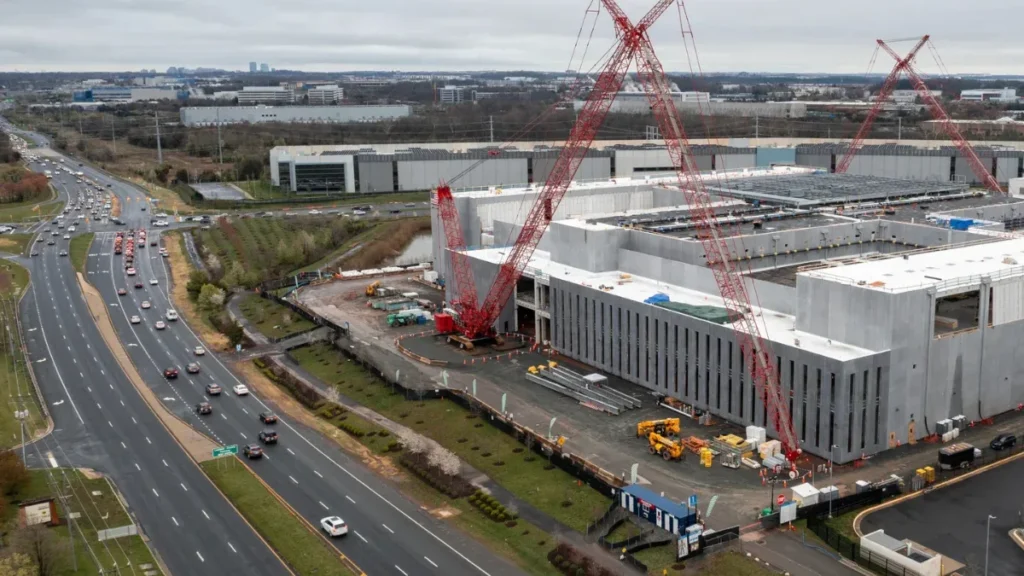
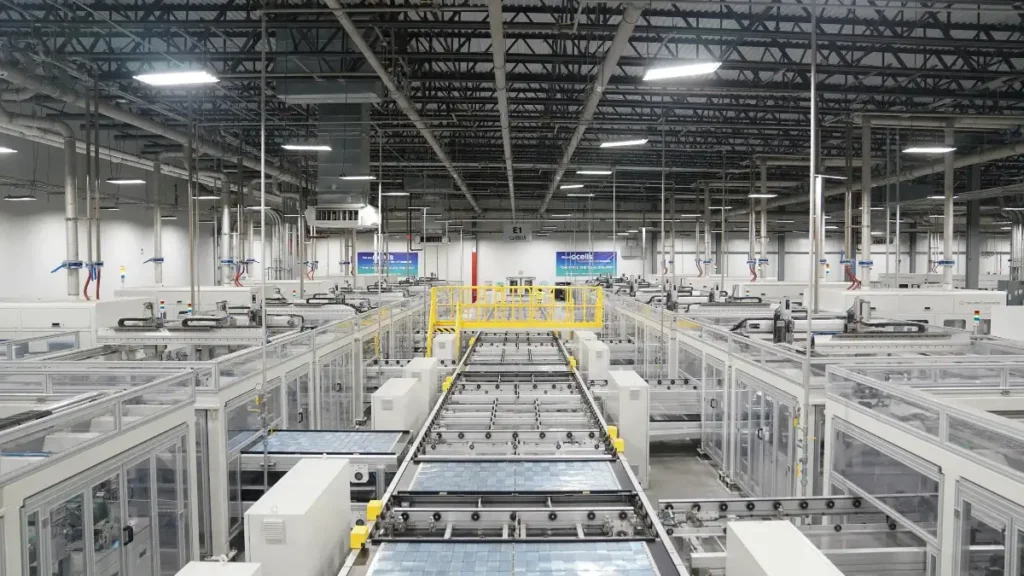
Manufacturing facilities, energy infrastructure, logistics hubs, and technology centers moved from planning to construction. These projects don’t increase GDP overnight – but once they do, the impact lasts for years.
Technology Spending Wasn’t Just Publicity
AI-related investments went beyond experiments. Businesses invested in infrastructure, automation, and productivity tools that improve output rather than increase valuation.
That difference is important. Productive investment strengthens growth without fueling bubbles.
Why was this growth different from past surges?
Many past periods of strong growth had a common flaw: they warmed up and faded quickly.
Q3 2025 did not rely on:
- Emergency stimulus
- Asset price inflation
- A temporary recovery
Instead, growth came from several pillars at once:
- Consumer demand
- Employment stability
- Business investment
- Structural shift toward services and technology
That combination is difficult to reverse quickly.
The Interest Rate Reality: Good News With a Catch
Strong growth is welcome – but it complicates monetary policy.
When the economy grows so fast, policymakers worry about overheating. Demand could outstrip supply. Prices could rise again. Inflation could resurface.
As a result, expectations of rapid interest rate cuts were dampened.
What this means for everyday people
- Jobs feel more secure
- Wage negotiations benefit
- Business confidence improves
But:
- Mortgage rates may stay high for longer
- Car loans won’t get cheaper overnight
- Credit conditions remain tight
It’s a trade-off between stability and affordability.
The Global picture: Why America stands out
One thing that made the third quarter of 2025 remarkable is what wasn’t happening elsewhere.
Many major economies were facing stagnation, structural recession, or internal adjustments. Against that backdrop, the U.S. emerged as a rare engine of growth.
The Strong dollar effect
The strong dollar had mixed results:
- Exports became less competitive
- Imports remained cheaper
- Domestic inflationary pressures eased
For consumers, this helped offset price pressures. For investors, it solidified the U.S. as a stable place for capital.
Risks that still matter
Strong growth does not eliminate risk.
Geopolitical shocks
Energy markets remain vulnerable. Sudden disruptions can cause prices to rise rapidly.
Debt and fiscal constraints
Rising interest costs on government debt limit future policy flexibility.
Housing Market Stability
High prices and high rates have a stable dynamic. If left unresolved, this could gradually slow down labor movement and economic flexibility.
None of these risks eliminated the surge in Q3 – but they do shape what comes next.
What Q3 2025 Signals for 2026
This quarter did not guarantee easy travel. But it did reset expectations.
For workers:
- Asking for raises feels more realistic
- Job changes seem less risky
For entrepreneurs:
- Demand conditions seem healthy
- Investment decisions seem less speculative
For families:
- Planning seems possible again
- Fear-based decisions lose some urgency
The economy is not booming uncontrollably. It is stabilizing at a higher level than expected.
Conclusion: A Quarter That Changed the Story
The third quarter of 2025 didn’t come with a bang. It didn’t come with fireworks. But he quietly challenged years of assumptions.
The U.S. economy proved that it can grow strongly under pressure. Consumers showed resilience. Businesses invested deliberately. Workers stayed engaged.
This wasn’t a denial of hardship. It was an adaptation to it.
Growth didn’t come from ignoring reality – it came from navigating it.
And that may be the most important lesson.
Frequently Asked Questions: US Economic Growth Q3 2025
Q1: Why was Q3 2025 growth so unexpected?
Most forecasts assumed that higher interest rates would significantly slow demand. Instead, spending and investment have been buoyed rather than reduced.
Q2: Is 4.3% growth sustainable?
Not permanently, but it suggests that the momentum entering 2026 is stronger than previously thought.
Q3: Does this mean that inflation will rise again?
It increases risk, which can cause interest rates to remain high for a long time.
Q4: Which sectors contributed most?
Customer services, technology investment, manufacturing and infrastructure development.
Q5: Does this eliminate the risk of recession?
No. But it significantly reduces the possibility in the near future.
Bottom line:
The third quarter of 2025 was not only strong, but also clear. The US. The economy has become more flexible, more adaptable and more resilient, which is often given credit – and this is important as we look ahead.